
ENTERTAINMENT: VERIFIED LEGITIMACY FOR STORIES THAT LIVE BEYOND THE RELEASE
BUILT FOR THE WORLDS WE KEEP REVISITING
Entertainment merchandise operates across premieres, tours, seasons, productions, and global audiences. Playbills, tickets, props, costume pieces, collectibles, apparel, and limited releases already function as physical proof that a specific story, show, or cultural moment was experienced.
Once a release window ends, that proof becomes difficult to sustain. Official recognition tied to a specific production, cast, or release period fragments over time. Secondary markets grow, but verification and continuity do not. Studios and rights holders have limited ability to reliably recognize a specific item across resale, gifting, revivals, re-releases, or franchise expansion.
Throughout this page, a “verified scan” refers to a voluntary, user-initiated interaction with an authenticated physical item that confirms item identity and lifecycle context. No behavioral tracking, automated decisions, or audience profiling are implied.
For clarity, tickets referenced here are physical or retained artifacts associated with a production or event, not live ticketing systems or access-control mechanisms.
Why Persistent Identity Matters in Entertainment
Entertainment is temporal, but meaning is not. Stories persist across formats, revivals, reinterpretations, and generations of audiences.
Brands may know when a production was released, but they often lose the ability to reliably reference which specific artifact is present later on. Identity fragments across campaigns, platforms, documentation, and memory.
What has been missing is not audience passion or demand.
It is a persistent, product-level identity infrastructure that allows physical artifacts to remain legitimate and referenceable beyond the original release window.
Fanlayer’s Role in Entertainment
Fanlayer provides a persistent digital identity layer for physical entertainment merchandise, allowing individual items to be verified as themselves and referenced reliably over time.
Fanlayer does not operate consumer programs, deliver experiences, enforce outcomes, or define meaning. It supplies identity verification and lifecycle signals only.
These signals are advisory inputs that studios, theaters, and partners may reference within their own systems. They do not determine access, eligibility, or outcomes.
All policies, communications, and audience relationships remain partner-defined and partner-operated.
Illustrative Entertainment Scenarios
Illustrative, not exhaustive
The scenarios below represent a small sample of what becomes possible once entertainment artifacts carry a verifiable, persistent digital identity.
They are not feature limits, product requirements, or prescribed implementations. Each partner independently determines how identity signals are referenced within its own systems.
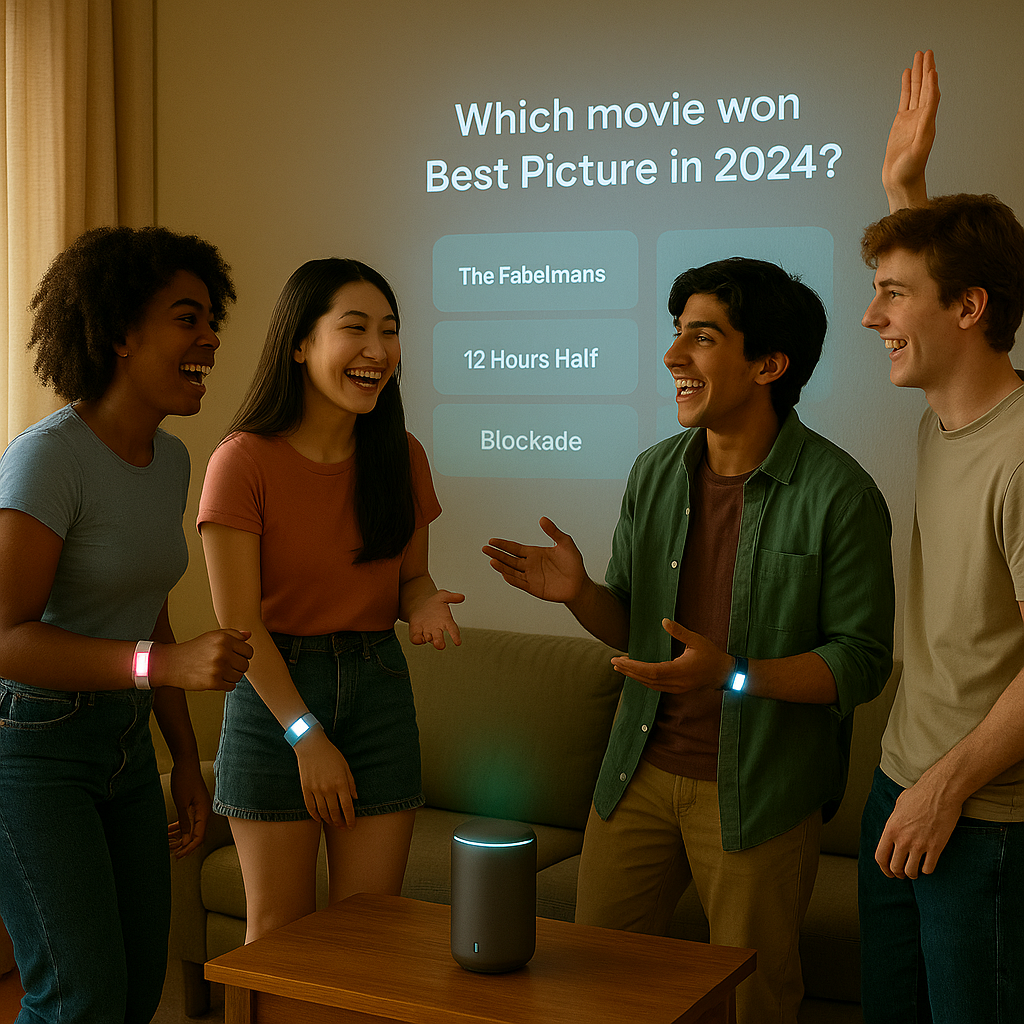
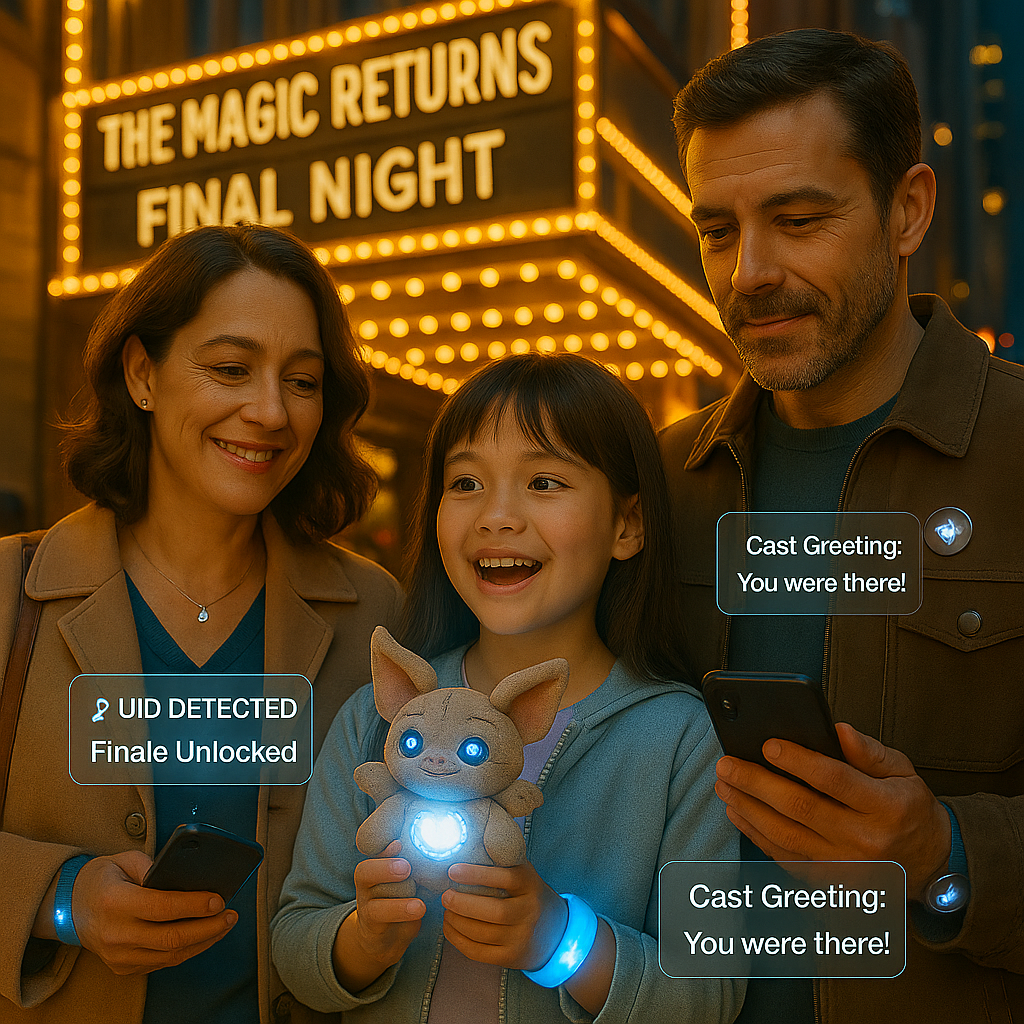
Conceptual renderings of Fanlayer-integrated products. No brand endorsement or affiliation implied.
Proof of First-Run or Original Attendance
What’s verified
A voluntary, verified scan of an authenticated ticket, Playbill, or event artifact associated with an original theatrical release, premiere, Broadway performance, or limited run.
What a studio, theater, or partner could choose to do
A partner may reference this identity signal within existing archival, commemorative, or audience-communication workflows.
Illustrative examples include:
preserving proof of attendance during an original run or opening window
acknowledging participation tied to a specific production, cast configuration, or performance period
contextualizing later revivals, re-releases, or adaptations against the original experience
Why this feels meaningful
In entertainment, the experience matters. Identity allows artifacts to carry verified historical context forward without relying on accounts or ticketing platforms.
Fanlayer verifies item identity and lifecycle timing only. All acknowledgment and messaging occur through partner-operated systems.
Artifact-Anchored Memory & Cultural Context
What’s verified
A verified scan of an authenticated physical artifact associated with a past film, show, or performance.
What a studio or platform could choose to do
A partner may reference this identity signal within existing archival, content, or cultural-context workflows.
Illustrative examples include:
contextualizing a rewatch, revival, or anniversary against a prior production context
presenting behind-the-scenes or archival material tied to that specific production
acknowledging long-term connection to a title or franchise without requiring a platform account
Why this feels meaningful
Entertainment memories are layered and personal. Identity-aware artifacts allow reconnection without prompts, feeds, or engagement mechanics.
Fanlayer verifies object identity and lifecycle context only. All presentations and content delivery are partner-operated.
Limited-Edition & Production-Era Verification
What’s verified
A verified scan confirming the authenticity and production-era association of a specific physical item.
What a studio or rights holder could choose to do
A partner may reference this signal within licensing, archival, or collector-facing workflows.
Illustrative examples include:
distinguishing items tied to specific productions, casts, or release periods
preserving provenance across gifting or resale
maintaining clarity between original artifacts and later reproductions
Why this feels meaningful
Entertainment artifacts often circulate for decades. Identity supports historical accuracy without enforcing commerce or valuation.
Fanlayer verifies item identity and lifecycle state only. No pricing, ownership enforcement, or transaction logic is implied.
Cross-Format Continuity (Stage → Screen → Revival)
What’s verified
A verified scan of an authenticated item associated with a specific format or production phase of a work.
What a studio or theater partner could choose to do
A partner may reference this signal within cross-format archival or communication workflows.
Illustrative examples include:
linking a stage production artifact to a later screen adaptation
contextualizing revivals against earlier productions
preserving continuity across reinterpretations of the same property
Why this feels meaningful
Entertainment properties evolve. Identity continuity allows artifacts to retain meaning as formats and eras change.
Fanlayer verifies object identity and contextual timing only. All interpretation and messaging remain partner-operated.
Designed for Real Entertainment Operations
Fanlayer integrates with existing production, fulfillment, and licensing environments.
Provisioned identity components arrive production-ready. Verification and lifecycle state are managed server-side. Identity can be scoped by production, tour, cast, or release window without changing fulfillment or licensing workflows.
Studios and partners continue to operate their own systems, policies, and audience relationships, allowing teams to start with a limited scope and expand over time without disruption.
All access, messaging, and experiences are administered through partner-operated systems and subject to partner-defined consent and policies.
Fanlayer provides identity verification and lifecycle signals only.
Explore Further
Explore how Fanlayer integrates into production workflows
Integration
See what persistent identity makes possible across industries
What Persistent Identity Makes Possible
Request an exploratory or pilot-scoping conversation
brian@fanlayer.io