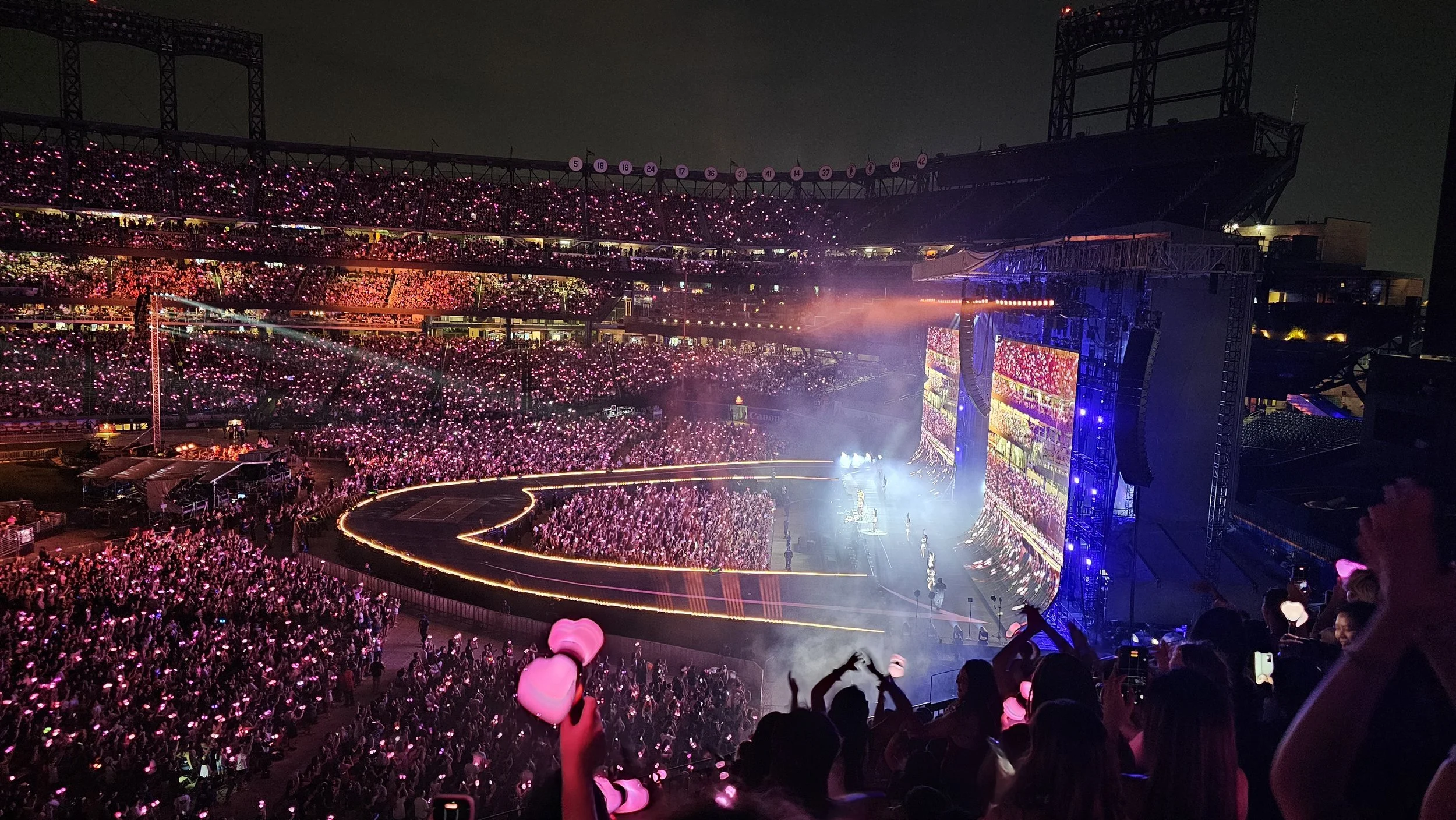
K-POP: BUILT FOR THE WORLD’S MOST DEVOTED FANS
When the lights fade, the connection shouldn’t.
K-pop merchandise operates across global fanbases, rapid release cycles, and intense secondary circulation. Albums (often released in multiple versions), lightsticks, plush characters, apparel, and limited drops already function as visible signals of affiliation and official status. These objects are carried, displayed, traded, and preserved across comebacks, tours, and everyday life.
Once products leave the point of sale, official recognition often fragments. Physical merchandise becomes disconnected from agency systems after purchase, making it difficult to reliably acknowledge a specific unit over time, across regions, eras, or ownership changes.
Throughout this page, a “verified scan” refers to a voluntary, user-initiated interaction with an authenticated physical product that confirms identity and lifecycle context. No fan tracking, behavioral analysis, or automated decisions are implied.
What has been missing is not fan participation or demand. It is a persistent, product-level identity infrastructure.
Why Persistent Identity Matters in K-Pop
K-pop merchandise is designed to live beyond a single comeback.
Albums, lightsticks, and fandom objects persist across eras, tours, and ownership changes, yet agency recognition often ends when promotions conclude. Identity collapses into packaging, receipts, or memory rather than remaining attached to the object itself.
Persistent identity allows official merchandise to remain agency-recognizable and referenceable long after the initial release window.
Fanlayer’s Role in K-Pop Merchandise
Fanlayer provides a persistent digital identity layer for physical K-pop merchandise, allowing individual products to be verified as themselves and referenced reliably across their lifecycle.
Fanlayer does not operate fan programs, schedule moments, deliver experiences, or define participation rules. It supplies identity verification and lifecycle signals only.
These signals are advisory inputs. Labels, agencies, and partners decide if, when, and how they are referenced within their own systems.
Illustrative K-Pop Merchandise Scenarios
Illustrative, not exhaustive
The scenarios below represent a small sample of what becomes possible once official K-pop merchandise carries a verifiable, persistent digital identity.
They are not feature limits or prescribed implementations. Each label or agency independently determines how identity signals are referenced.
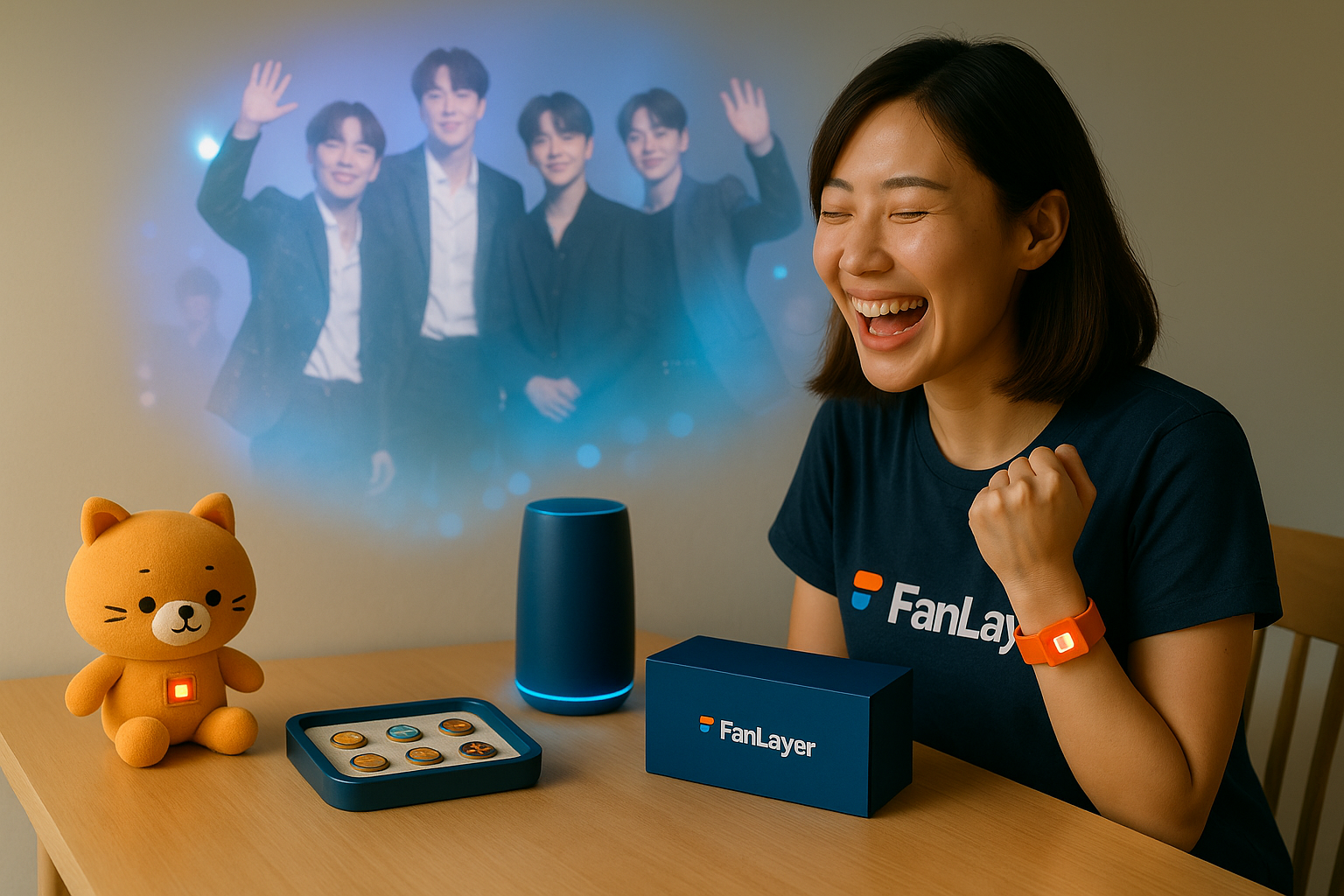
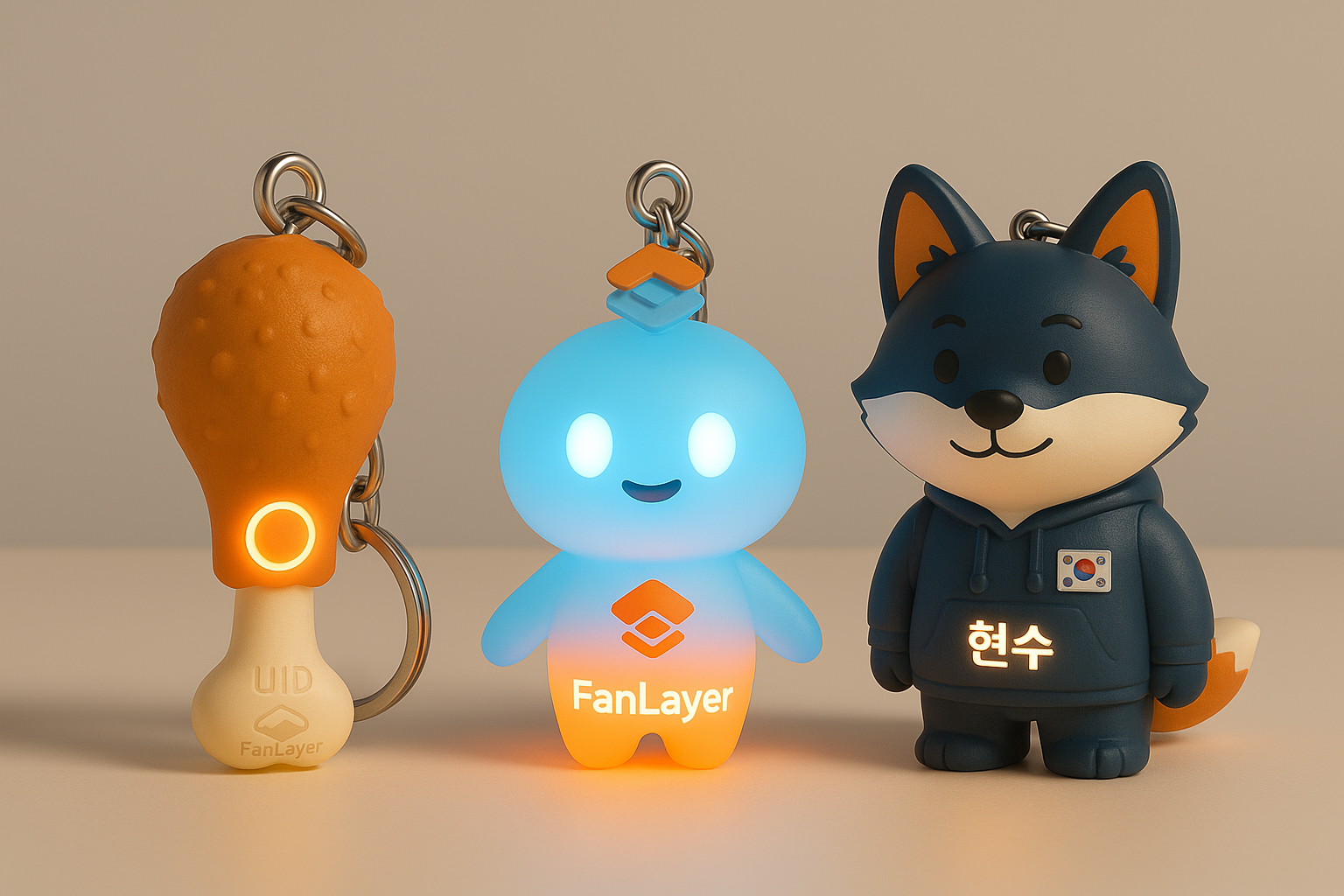
Conceptual renderings of Fanlayer-integrated products. No brand endorsement or affiliation implied.
Live-Moment & Era Continuity
What’s verified
A voluntary, verified scan of an authenticated lightstick, tour item, or era-associated object during a defined live or promotional window.
What a label, agency, or tour partner could choose to do
A partner may reference this signal within existing live-event, post-event, or archival workflows.
Illustrative examples include:
preserving proof of participation in a specific concert, tour stop, or fan event
associating the object with a defined comeback or promotional era
contextualizing the item within the group’s performance history
Why this feels meaningful
Live moments are emotionally intense but time-bounded. Persistent identity allows the object itself to carry that moment forward.
Fanlayer verifies item identity and timing context only. No location tracking, movement monitoring, or behavioral analysis occurs.
Era-Bound Albums & Everyday Fandom Objects
What’s verified
A verified scan confirming the authenticity and issuance context of a specific album or fandom object.
What a label or agency could choose to do
A label may reference this signal within existing content, archival, or fan communication systems.
Illustrative examples include:
associating albums, photobooks, plush characters, key rings, or wearables with a specific era
preserving era identity long after promotions end
contextualizing the object within the group’s creative timeline
Why this feels meaningful
K-pop eras are emotionally distinct and central to fan identity. Persistent identity allows objects to retain meaning beyond campaign windows.
Fanlayer verifies object identity and lifecycle context only. All presentation and messaging are label-operated.
Second-Life & Long-Term Legitimacy
What’s verified
A verified scan indicating the continued legitimacy of an authenticated item across gifting, resale, or long-term ownership.
What a label or partner could choose to do
A partner may reference this signal within archival or post-ownership workflows.
Illustrative examples include:
preserving legitimacy when items change hands
contextualizing the object’s history for new holders
maintaining continuity of fandom artifacts over time
Why this feels meaningful
K-pop merchandise is often kept, gifted, or traded with care. Identity continuity respects that value without enforcement or restriction.
Fanlayer verifies identity and lifecycle state only. No commerce, ranking, or fan profiling is implied.
Designed for Real K-Pop Operations
Fanlayer integrates with existing manufacturing, licensing, and data environments. UID components arrive production-ready. Verification and lifecycle state are managed server-side. Labels, agencies, and partners continue to operate their own systems, policies, and fan-facing experiences.
Teams can begin with limited SKUs or releases, validate fit, and expand over time without operational disruption.
A Quiet but Durable Shift
K-pop fandom does not need to be manufactured. What matters operationally is that the products fans keep, trade, and preserve can remain official, verifiable, and trustworthy across eras.
Persistent identity makes that possible without turning merchandise into platforms or campaigns.
Explore Further
Explore how Fanlayer integrates into production workflows
Integration
See what persistent identity makes possible across industries
What Persistent Identity Makes Possible
Request an exploratory or pilot-scoping conversation
brian@fanlayer.io