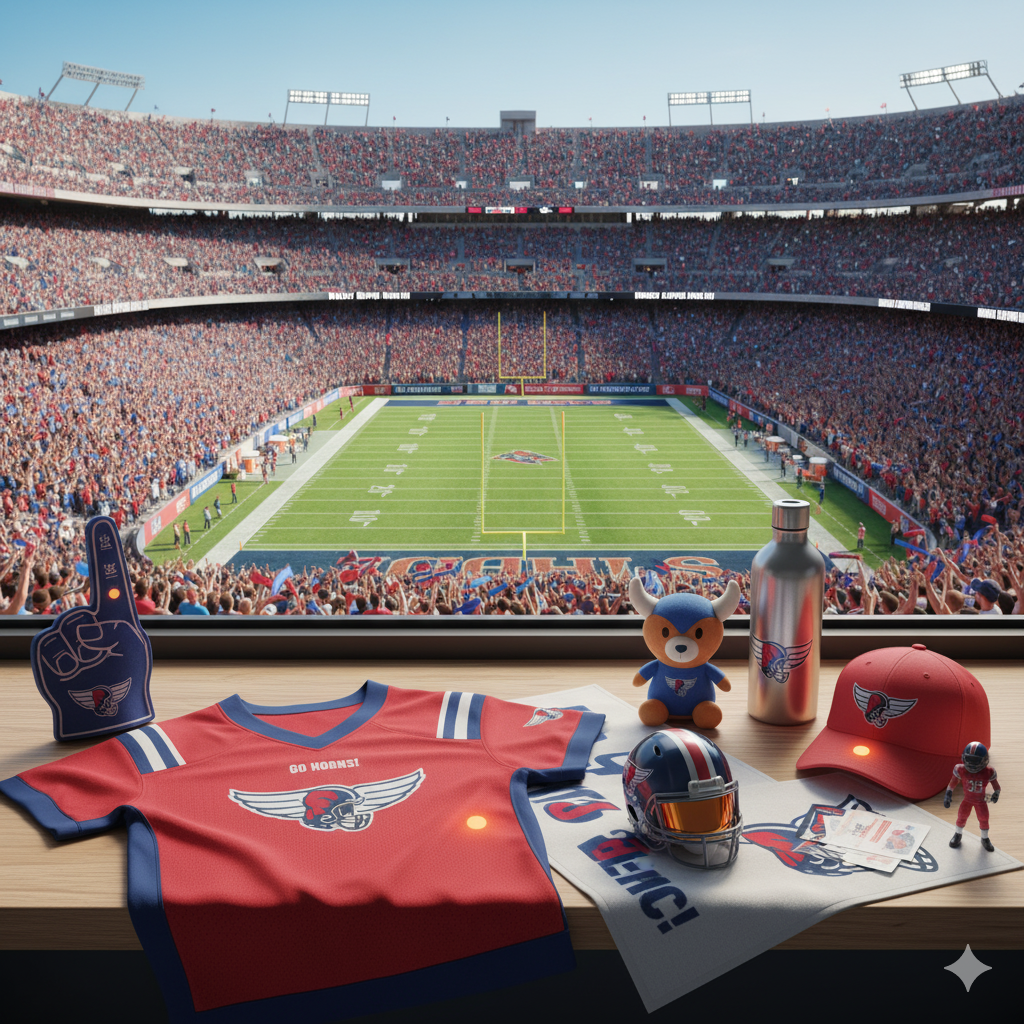
SPORTS: PERSISTENT IDENTITY FOR MERCHANDISE THAT LIVES BEYOND THE GAME
Built for the world’s most passionate fans
Sports merchandise is one of the most visible and emotionally resonant identity surfaces in the world. Jerseys, caps, scarves, collectibles, and event items signal affiliation, memory, and belonging across seasons, teams, and generations.
Once merchandise leaves the point of sale, official recognition becomes difficult to sustain. Items are worn across seasons, gifted, resold, archived, or passed down. Secondary markets exist globally, but unit-level identity fragments. Over time, products lose the ability to be reliably referenced as themselves.
Throughout this page, a “verified scan” refers to a voluntary, user-initiated interaction with an authenticated physical product that confirms identity and lifecycle context. No attendance tracking, access control, or behavioral monitoring is implied.
What has been missing is not fandom or demand. It is infrastructure that allows a specific item to remain recognizable over time.
Why Persistent Identity Matters in Sports
Sports merchandise often outlives the moments it represents.
Teams and leagues may know when an item was sold, but often lose the ability to reliably reference which specific object is present later on. Identity collapses into receipts, accounts, or memory rather than remaining attached to the item itself.
Persistent identity allows licensed merchandise to remain legitimate, referenceable, and context-aware across seasons, ownership changes, and long-term use.
Fanlayer’s Role in Sports Merchandise
Fanlayer provides a persistent digital identity layer for licensed sports merchandise, allowing individual items to be verified as themselves and referenced reliably over time.
Fanlayer does not operate fan programs, enforce rules, or define meaning. It supplies identity verification and lifecycle signals only.
These signals are advisory inputs. Teams, leagues, and partners decide if, when, and how they are referenced within their own systems, policies, and experiences.
Illustrative Sports Merchandise Scenarios
Illustrative, not exhaustive
The scenarios below represent a small sample of what becomes possible once sports merchandise carries a verifiable, persistent digital identity.
They are not requirements or prescribed implementations. Each organization independently determines how identity signals are referenced.
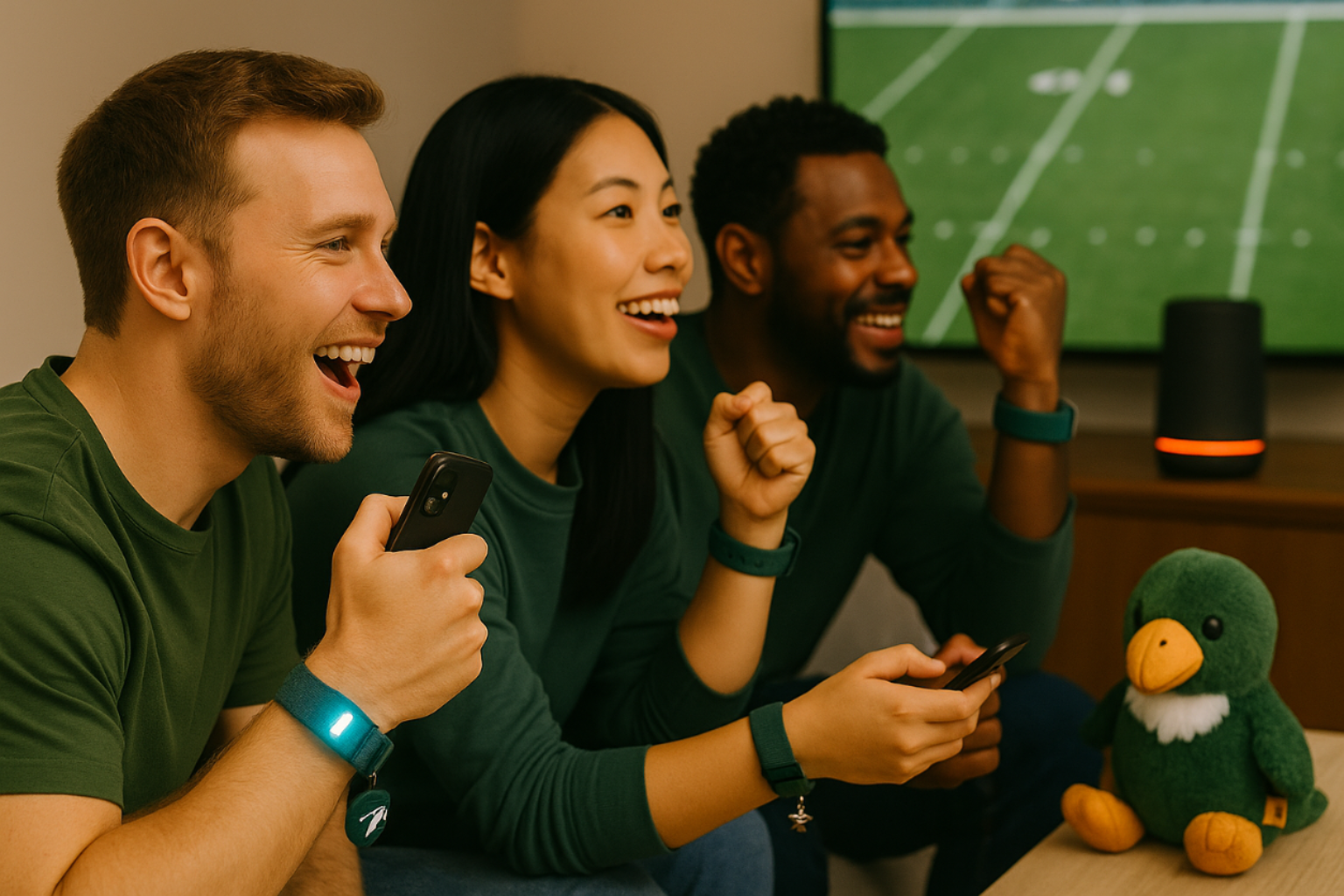
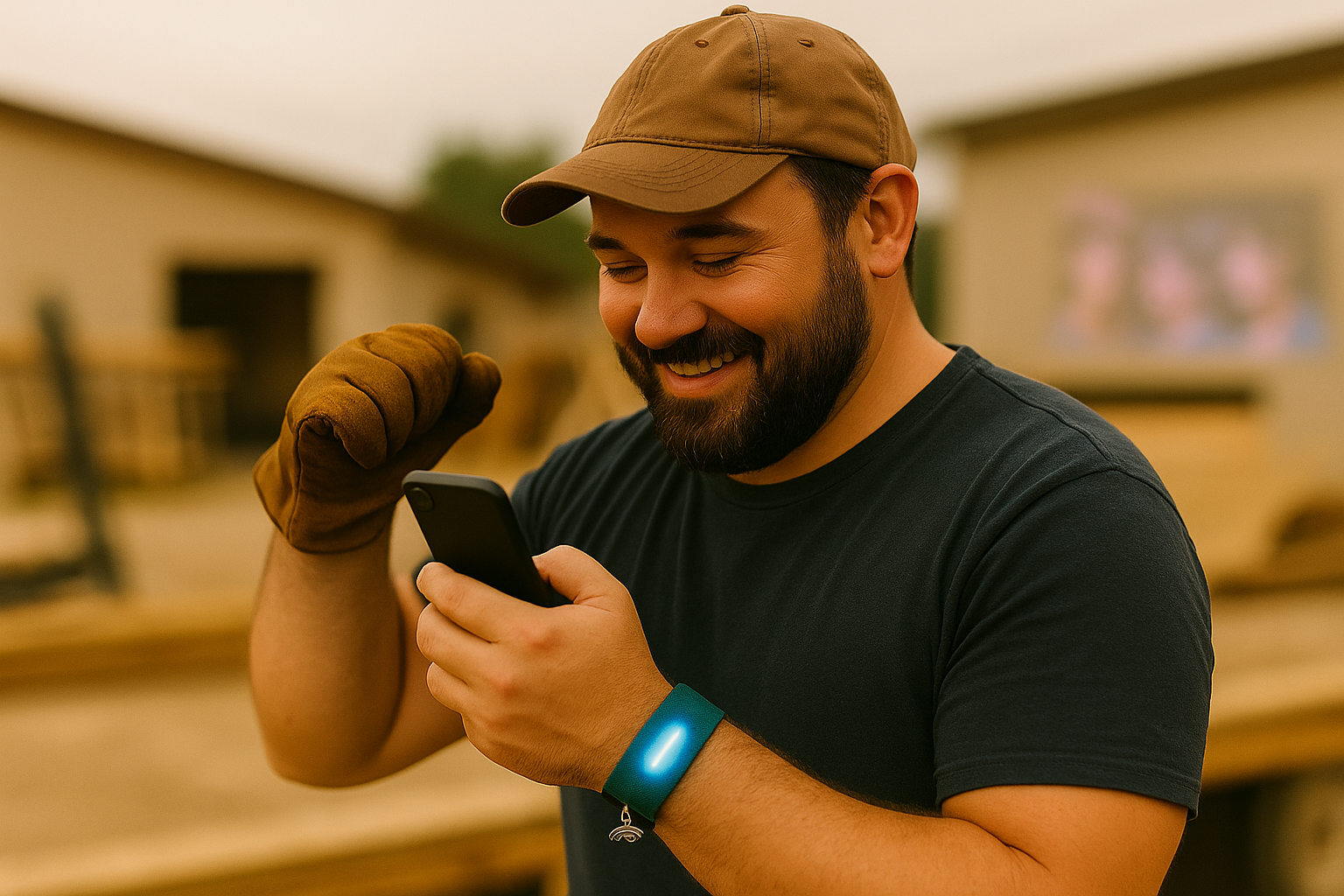
Conceptual renderings of Fanlayer-integrated products. No brand endorsement or affiliation implied.
Season Continuity Recognition
What’s verified
A voluntary, verified scan of an authenticated jersey or apparel item occurring across multiple seasons.
What an organization could choose to do
A team or league may reference this continuity signal within existing fan engagement, CRM, or content systems.
Illustrative examples include:
acknowledging long-term ownership tied to a specific team or era
providing an archival context about the season or roster associated with that item
recognizing fans who continue to wear legacy merchandise over time
Why this feels meaningful
Recognition is grounded in the persistence of the product itself, not in repeated transactions or account activity.
Fanlayer verifies product identity and lifecycle continuity only. All recognition occurs through organization-operated systems following voluntary interaction.
Event Presence Recognition
What’s verified
A voluntary, verified scan of authenticated merchandise within a defined event context.
What an organization could choose to do
An organization may reference verified product presence within existing in-venue or event workflows.
Illustrative examples include:
recognizing returning supporters at milestone games
enabling staff-led moments informed by owned merchandise
offering optional access to commemorative content tied to that event
Attendance is not restricted. Recognition is optional and additive.
Memorabilia & Collectible Continuity
What’s verified
Verified identity and lifecycle context of a collectible item across ownership changes.
What an organization could choose to do
Organizations may preserve and reference verified issuance history without enforcing resale or transactions.
Illustrative examples include:
maintaining provenance for commemorative items
offering archival storytelling tied to a specific championship or moment
supporting legitimacy long after initial release
Second-Life Welcome After Gifting or Resale
What’s verified
A voluntary, verified scan indicating a legitimate post-transfer interaction.
What an organization could choose to do
An organization may acknowledge the product’s continued legitimacy while preserving its prior history.
Illustrative examples include:
welcoming the item into a new chapter of fandom
providing care or preservation context
reinforcing legitimacy without restricting circulation
No commerce, enforcement, or transaction logic is implied.
Milestone-Based Recognition
What’s verified
Lifecycle timing signals associated with a specific authenticated item.
What an organization could choose to do
Teams or leagues may reference these signals within existing content or archival systems.
Illustrative examples include:
recognizing ownership tied to a historic season
surfacing retrospective content linked to the item’s era
acknowledging long-term fandom without prompting purchases
Designed for Real Sports Operations
Fanlayer integrates with existing sports licensing, manufacturing, and data environments.
Provisioned identity components arrive production-ready and can be embedded in apparel, collectibles, or event items. Verification and lifecycle state are managed server-side. Teams, leagues, and partners continue to operate their own systems, policies, and experiences.
Organizations can start with a single SKU, validate fit, and expand over time without operational disruption.
All access, messaging, and experiences are administered through organization-operated systems and subject to organization-defined consent and policies. Fanlayer provides identity verification and lifecycle signals only.
A Quiet but Durable Shift
The games end. Seasons change. Merchandise remains. What matters operationally is that the products fans keep, wear, trade, and pass down can remain legitimate, recognizable, and verifiable over time.
Persistent identity supports that continuity without turning sports merchandise into platforms or campaigns.
Explore Further
Explore how Fanlayer integrates into production workflows
Integration
See what persistent identity makes possible across industries
What Persistent Identity Makes Possible
Request an exploratory or pilot-scoping conversation
brian@fanlayer.io