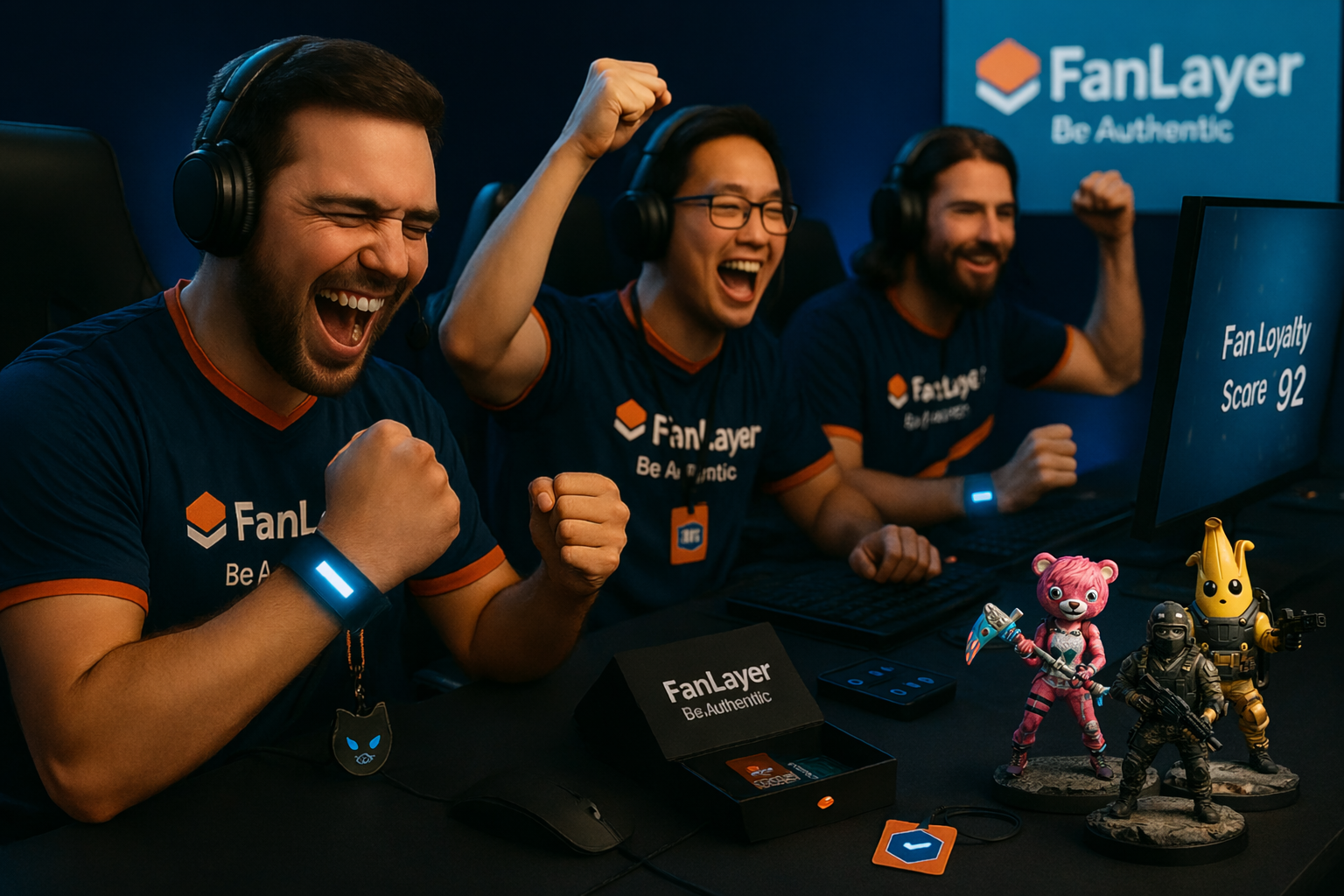
The digital identity infrastructure for physical products.

Identify and verify products beyond the point of sale

When a product leaves the store, the brand goes blind

Manufacturing tracked it. Distribution accounted for it. Commerce recorded the sale. And then, nothing.

The specific unit, that exact item, becomes anonymous. The brand may know a SKU was sold. It rarely knows what happened next. This isn't an analytics gap. It's structural. The product itself has no persistent identity.

That's the gap Fanlayer was built to close, and what it makes possible on the other side of closing it.

Explore what becomes possible

Infrastructure for physical products. Not a platform

Fanlayer provides licensed infrastructure for a persistent identity layer for physical goods. Each product receives a unique digital identity linked to a secure hardware component, maintained in a neutral registry.

That identity can record lifecycle events, ownership changes, verification interactions, and state transitions, over the life of the object.

Brands and licensees define what those signals mean and what experiences they enable. Fanlayer maintains the registry and verification layer. That separation is intentional.

Fanlayer operates as a neutral identity registry for physical products, allowing identity to persist across systems and ownership changes.

Fanlayer is:

  • Identity infrastructure for physical products

  • A persistent registry and verification layer

  • A signal source that other systems can reference

  • Licensed infrastructure brands embed in their own products

Fanlayer is not:

  • A consumer app or loyalty program

  • An authentication checkpoint that ends at the scan

  • A marketing platform or engagement tool

  • A blockchain or NFT system

When a product has a persistent identity, two things change at once

For the first time, a sold product doesn't go silent. It continues to exist, to be recognized, and to carry a verifiable state.

Returns, Resale, and Verification

Today's return process has a blind spot.

Between return initiation and inspection, the brand has no reliable way to verify whether the item being returned is the same unit that was sold.
That gap is where return fraud lives, counterfeit swaps, wardrobing, and misdirected refunds.

Fanlayer enables systems to close that gap. When a product has a persistent identity, a return can become a verification event, allowing the system to confirm, within a licensed integration, whether the physical item matches the original sale record before downstream decisions are made.

The brand shifts from limited visibility → verifiable signals.

The same logic applies to gray-market diversion, counterfeit circulation, and chain-of-custody gaps throughout the distribution chain.

Ownership, Access, and Product Behavior

A sneaker can be used to verify eligibility at a live event. A limited edition release can remain identifiable as a specific unit, not just a SKU, years after launch. A collectible can carry its full provenance history across resale and generational transfers.

Ownership itself becomes a verified signal.

Specific products unlock access, status, or participation that cannot be replicated without requiring an account, an app, or a platform to enforce it.

These aren't features added onto a product. They are new behaviors that the product becomes capable of.

Works With Your Existing Systems

Current systems can process a return request. They cannot see the item.

CRM systems understand customers deeply. They have almost no visibility into the products those customers own.

Fanlayer provides a product-level signal that fills that gap, a verified, unit-level input that analytics platforms, CRM systems, compliance tools, and AI agents can reference when evaluating eligibility, routing decisions, or lifecycle state.

This introduces a new category of data, product lifecycle data, that systems can use alongside customer and transaction data.

The product becomes an infrastructure signal, not just inventory.


Explore how persistent product identity applies to your industry
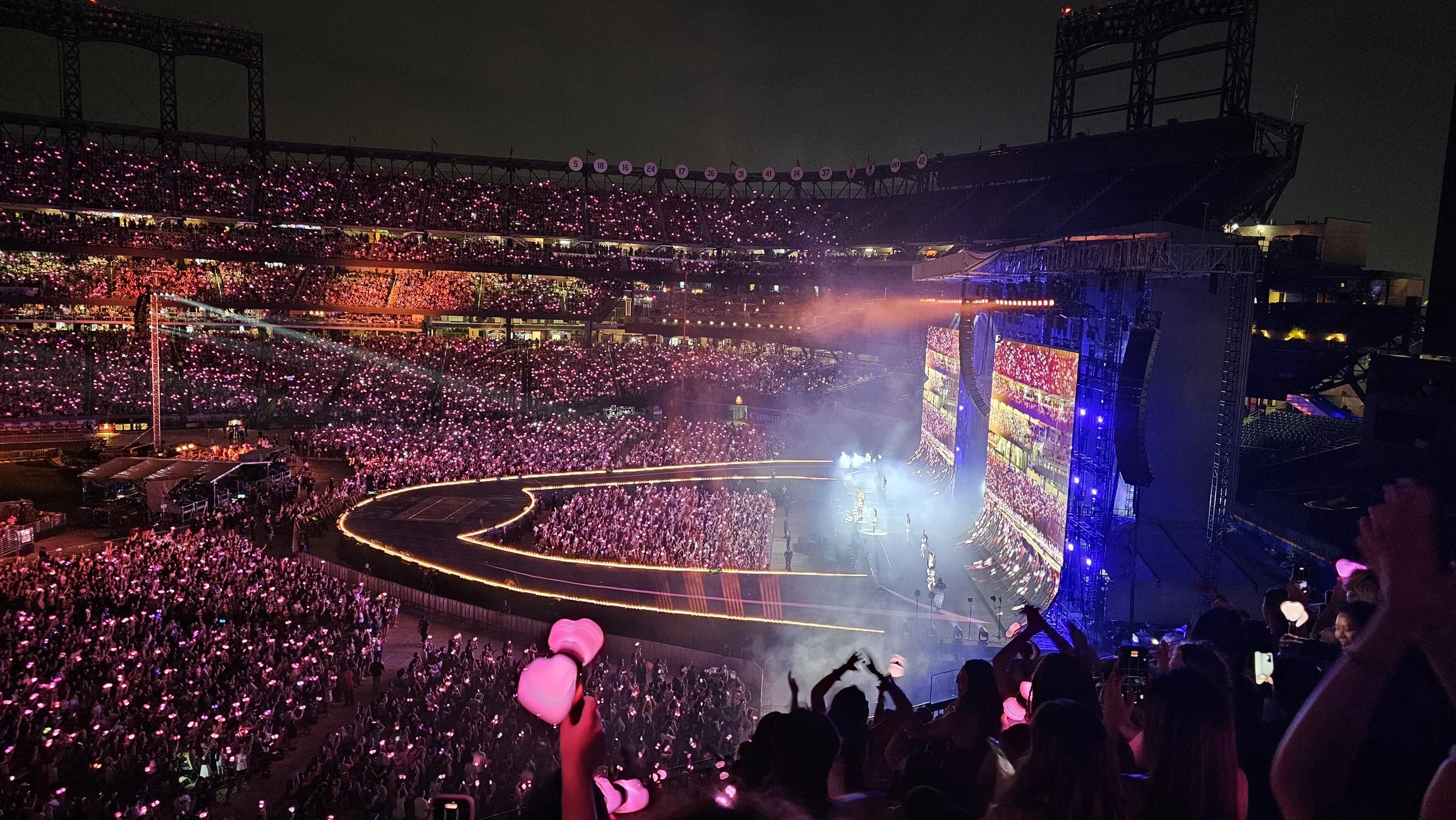
K-pop fans holding glowing lightsticks at a stadium concert, showing how Fanlayer UID-authenticated merchandise proves loyalty and identity beyond the show.

Fan merchandise that stays connected to the relationship, not just the purchase.
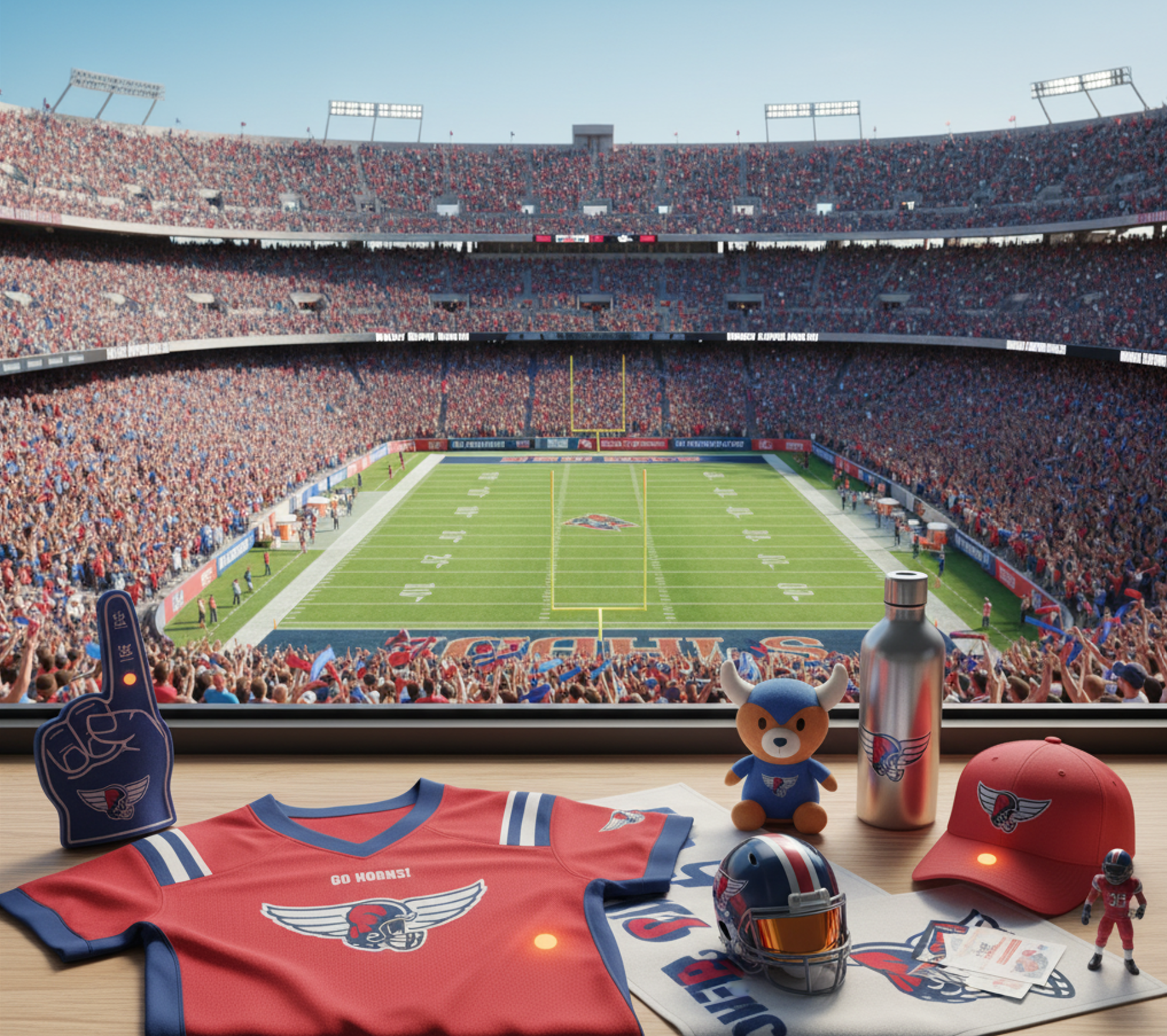
View from a fan's perspective of a football stadium filled with spectators, with the field in the center. On a table in the foreground are a red football jersey with the team logo, a foam finger, a small plush toy, a water bottle, a red cap, a football helmet, a toy figurine, and some papers and photos, all supporting the team branding.

Gear that remains verifiable across seasons, resale, and generations of collectors.

Family enjoying a theme park with rides and souvenirs, highlighting how Fanlayer UID-authenticated products extend memories beyond the trip.

Souvenirs that can be recognized during verified interactions.

A woman in a black blazer sitting at a table with a brown Louis Vuitton handbag and a cream-colored sneaker, with a black blazer folded on the table.

Products that carry their provenance across the primary and secondary market.

Collection of Overwatch merchandise including a plushie, a steel tumbler, a framed playbill, a die, patches, a black leather jacket with Overwatch patches, and a glowing baton, on a wooden table with a blurred background.

Physical media with a persistent identity that outlasts the release window.
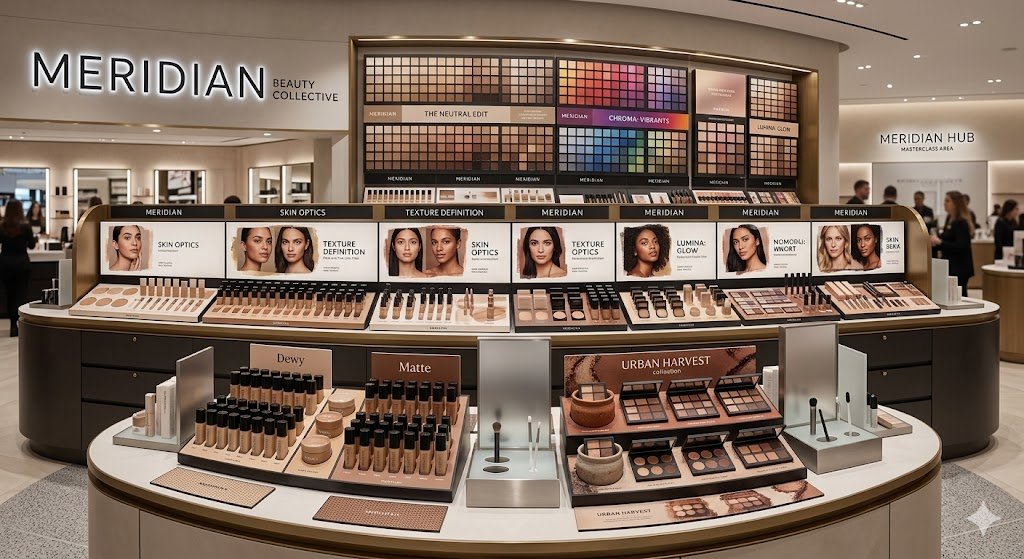
Physical objects that maintain verified identity inside and outside the game.

Garments that become a verified channel, at purchase, at resale, and beyond.


A clear boundary is part of the design

To preserve registry neutrality and reduce operational risk for licensees, Fanlayer operates strictly at the infrastructure level.

  • Fanlayer does not operate consumer programs, loyalty applications, or brand experiences.

  • It does not host creative content, process payments, or control commercial logic.

  • It does not enforce resale pricing or own customer relationships.

Fanlayer provides the verification layer and lifecycle signals. Licensees define what those signals mean and how they are used.

That separation allows Fanlayer to serve as neutral infrastructure across multiple brands, verticals, and use cases simultaneously, without conflicts of interest.

Your products have been going silent for decades. They don't have to

We are currently scoping initial pilot engagements with brands ready to think about products differently. If the architecture fits where you're headed, let's talk.